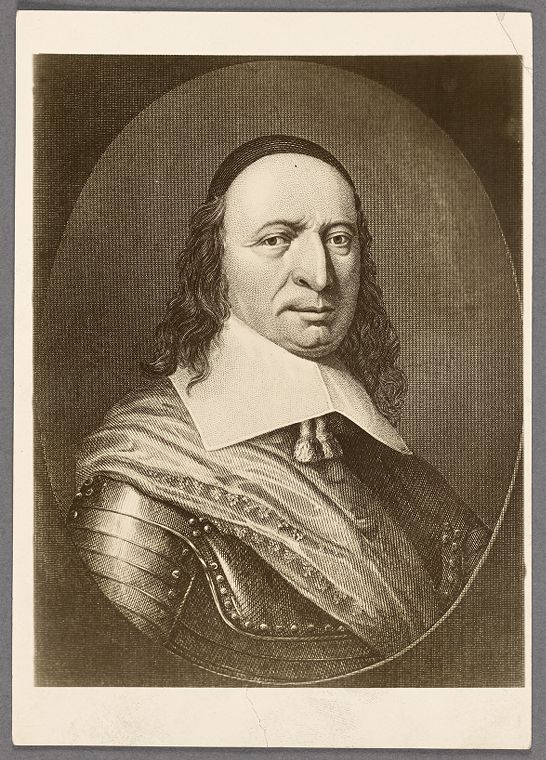
Peter Stuyvesant had previously served the Dutch West India Company in the Caribbean and lost a leg during a military action on the island of Saint Martin, thereafter wearing the wooden leg that became part of his legend. Appointed Director-General of New Netherland in 1647, he inherited a colony facing administrative, military, and financial challenges.
During his seventeen-year administration, Stuyvesant strengthened defenses, improved public administration, expanded trade, and oversaw important public works. Under his leadership, New Amsterdam grew substantially in population and economic importance. Yet his forceful style often brought him into conflict with settlers who demanded greater local autonomy and with religious groups seeking broader freedom of worship.
Stuyvesant’s administration thus embodied both the strengths and limitations of Dutch colonial rule: energetic government, commercial success, and growing prosperity alongside recurring disputes over authority and religious tolerance.