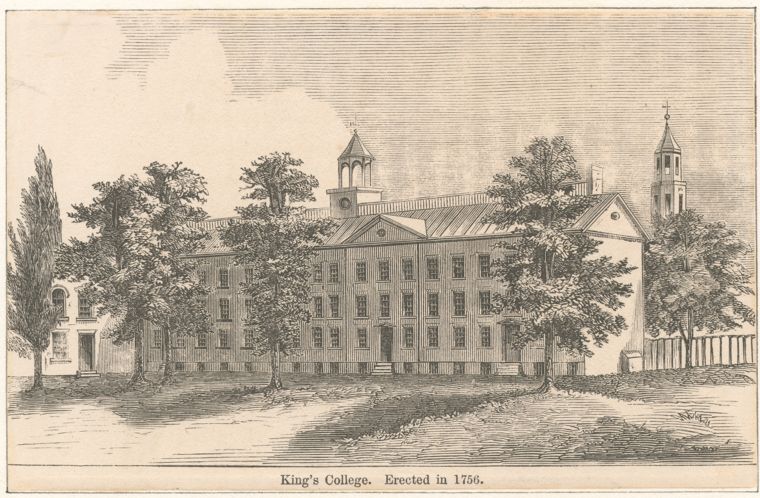
1754: Establishment of King’s College
King's College - now Columbia College - was established in Manhattan in 1754, a reflection of the colony's growing wealth and flourishing intellectual life.

King's College - now Columbia College - was established in Manhattan in 1754, a reflection of the colony's growing wealth and flourishing intellectual life.
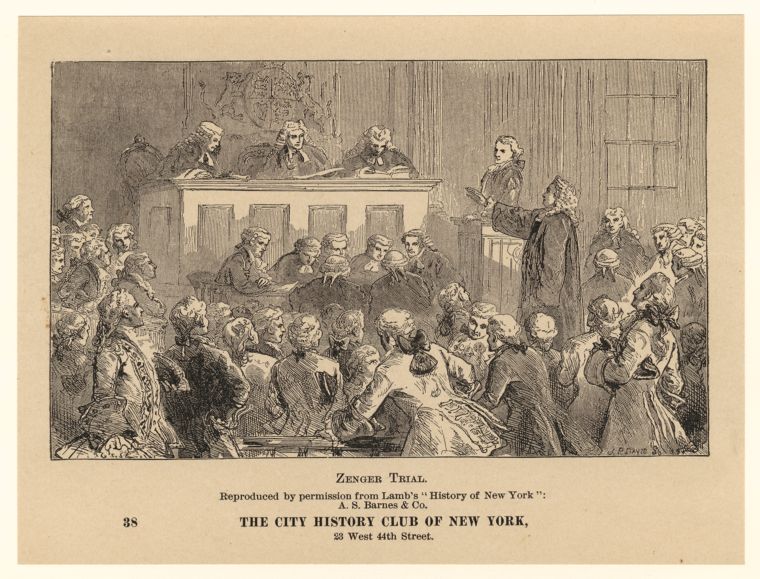
In 1735, printer John Peter Zenger was tried for publishing criticisms of the royal governor in a case which established a precedence for the American tradition of freedom of expression.
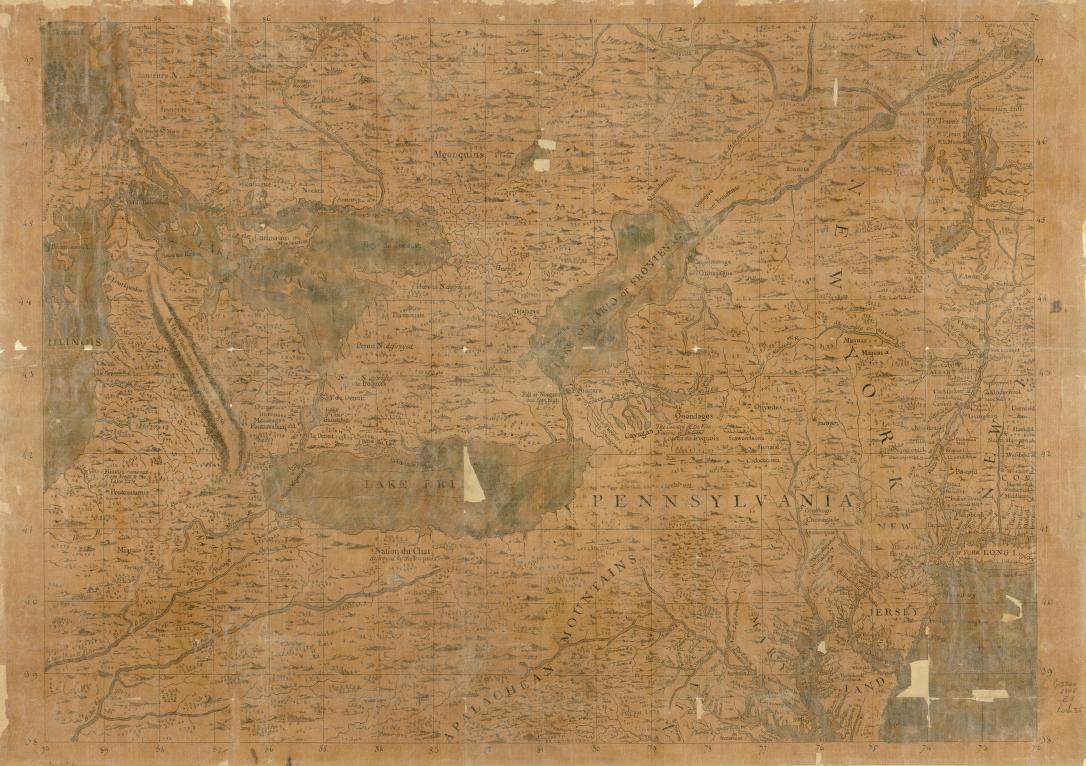
The American theater of the War of Spanish Succession, Queen Anne's War put New York on the front lines, with military expeditions moving through the Hudson and Champlain corridors.
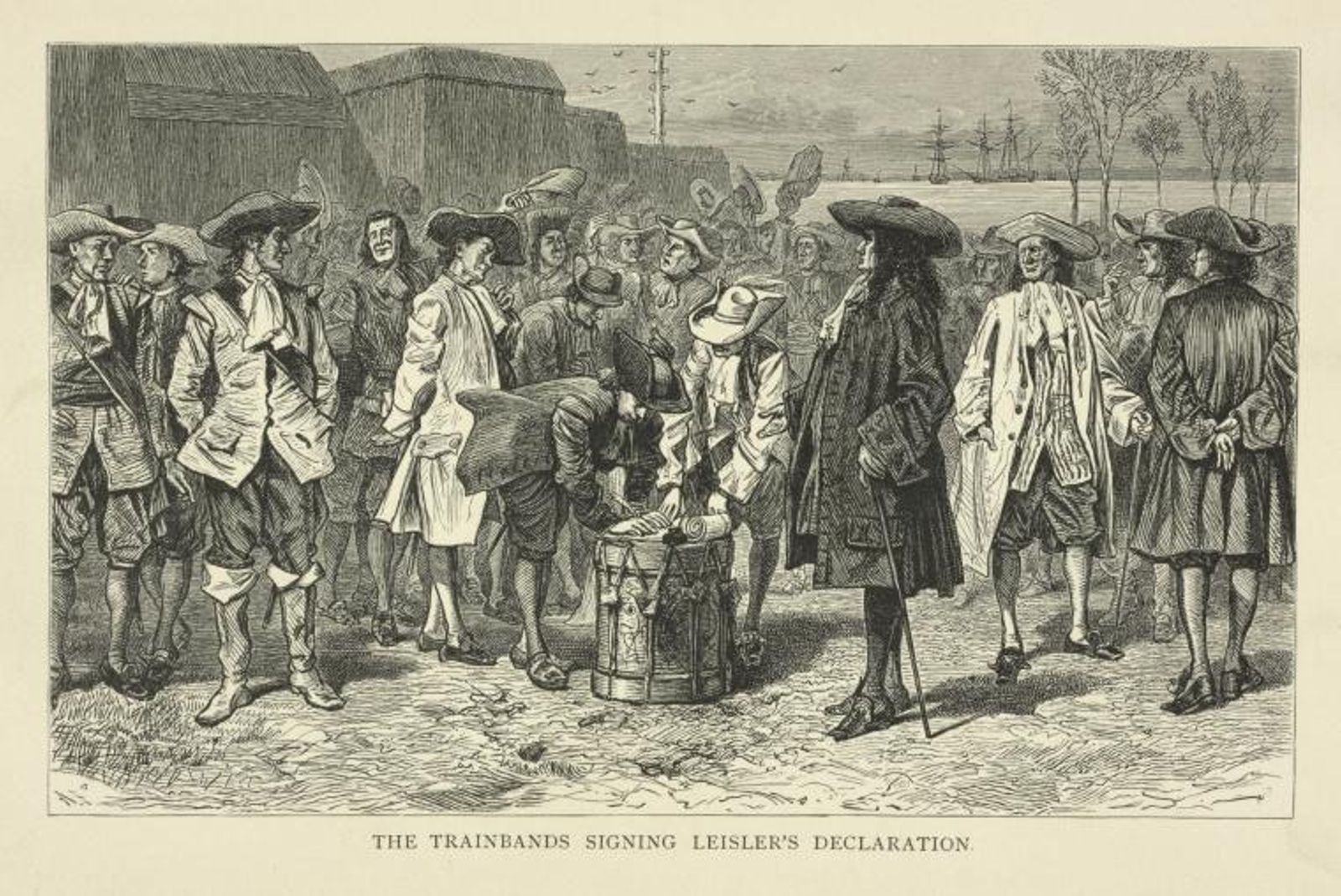
Amid the political and religious uncertainty of the Glorious Revolution of 1688, a merchant and militia leader Joseph Liesler seized control of New York City, claiming to defend the settler's Protestant liberties against colonial rule.
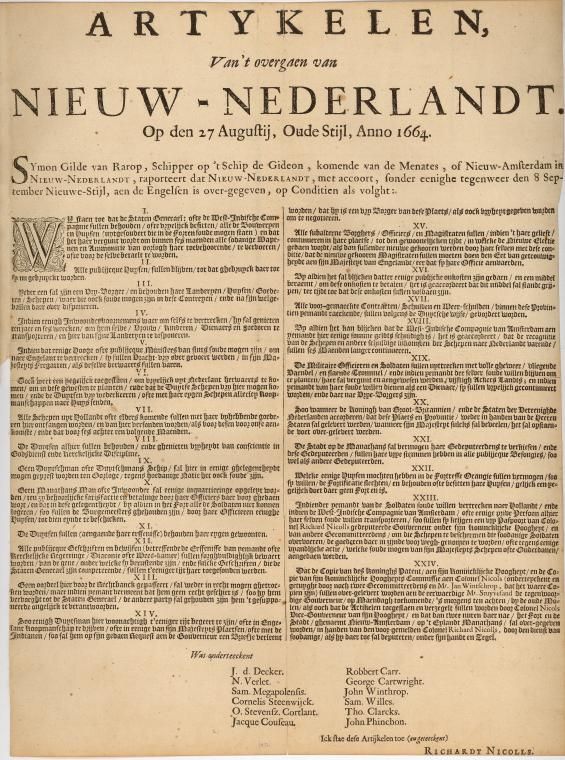
In 1664, an English fleet under the command of Admiral Richard Nicolls entered the New Amsterdam harbor and demanded Dutch surrender. The transfer of colonial control was bloodless, and New York was established.
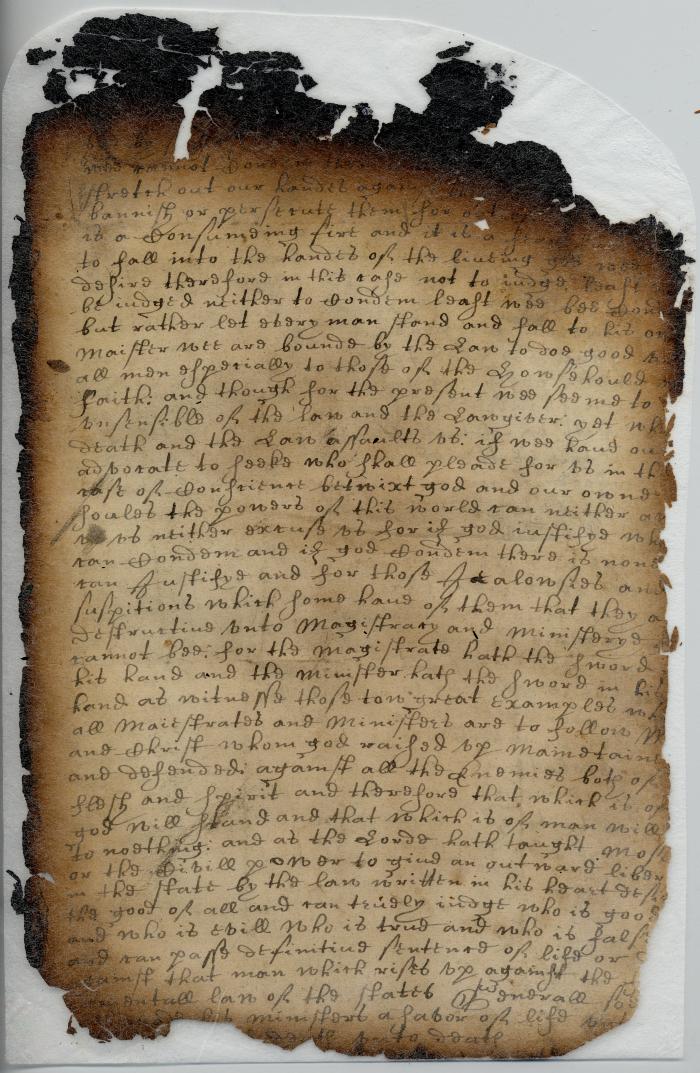
In 1657, residents of the town of Flushing presented a petition proclaiming their freedom to practice Quakerism in one of the most significant early expressions of religious liberty in America.
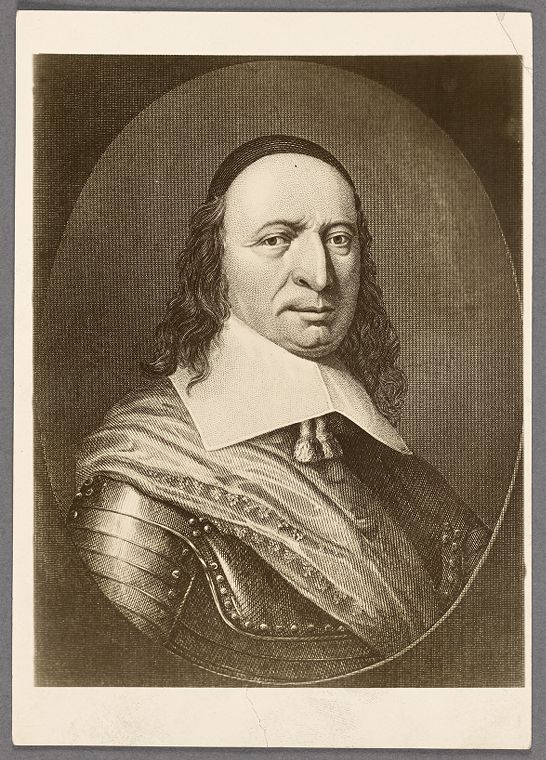
Peter Stuyvesant was appointed Director-General of New Netherland in 1647, inheriting a colony facing administrative, military, and financial challenges. While he strengthened defenses, expanded trade, and oversaw important public works, he ultimately would be the last Dutch administrator of the colony.
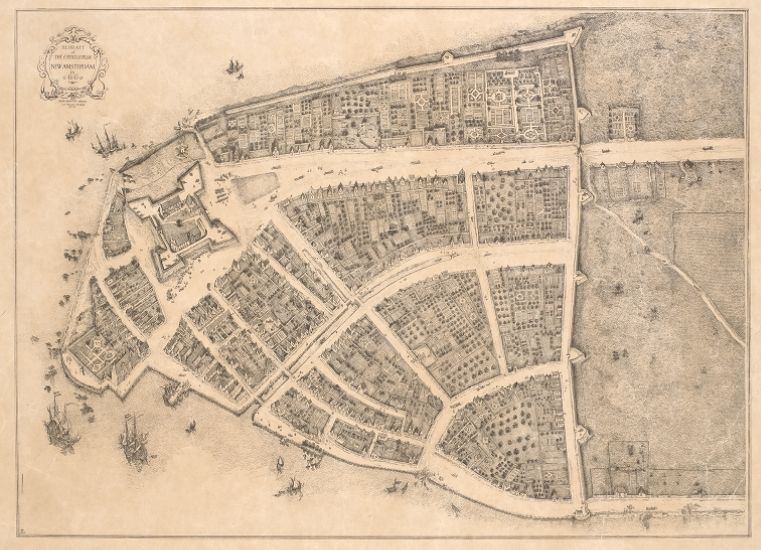
In 1626, Peter Minuit purchased the island of Manhattan from the Lenape people, a symbol of the colony's commercial outlook and its reliance upon negotiation, exchange, and diplomacy.
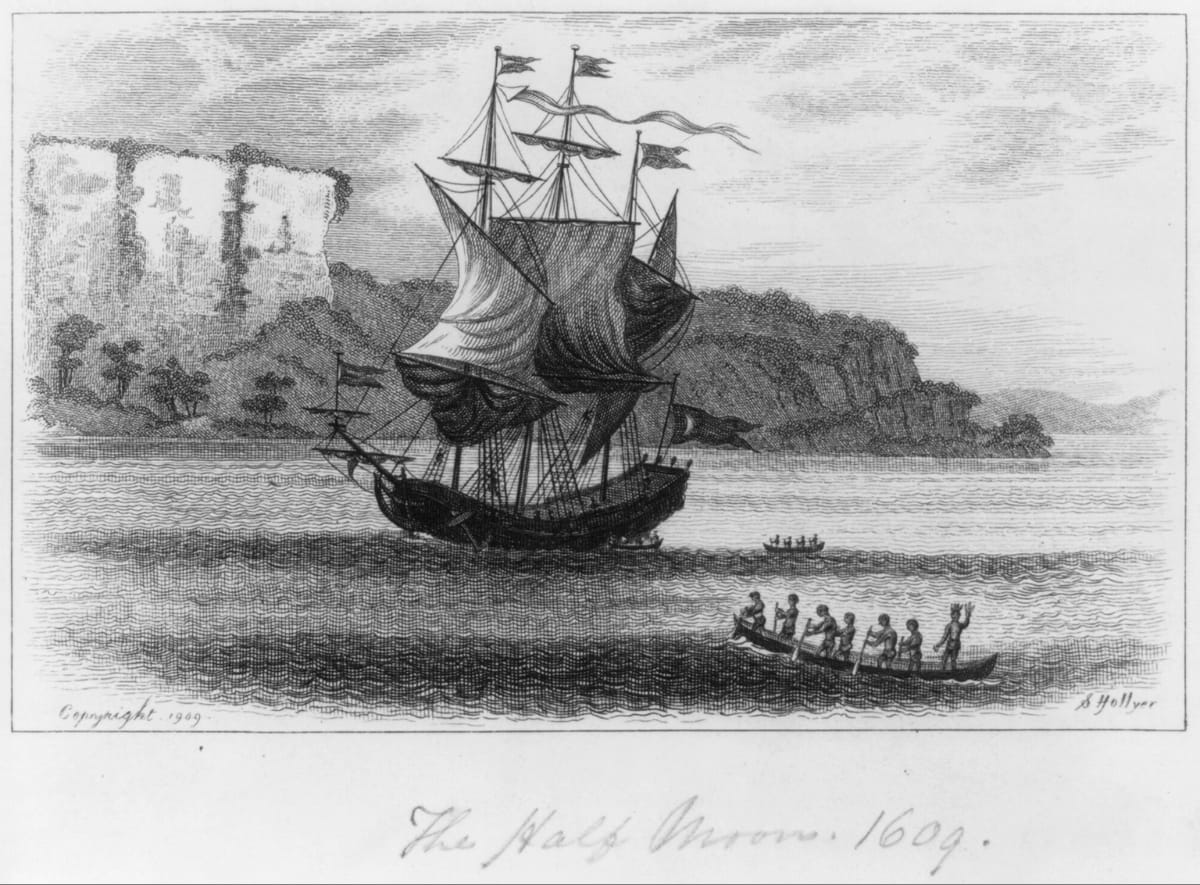
In 1609, English navigator Henry Hudson, sailing on behalf of the Dutch East India Company, explored the river that now bears his name.
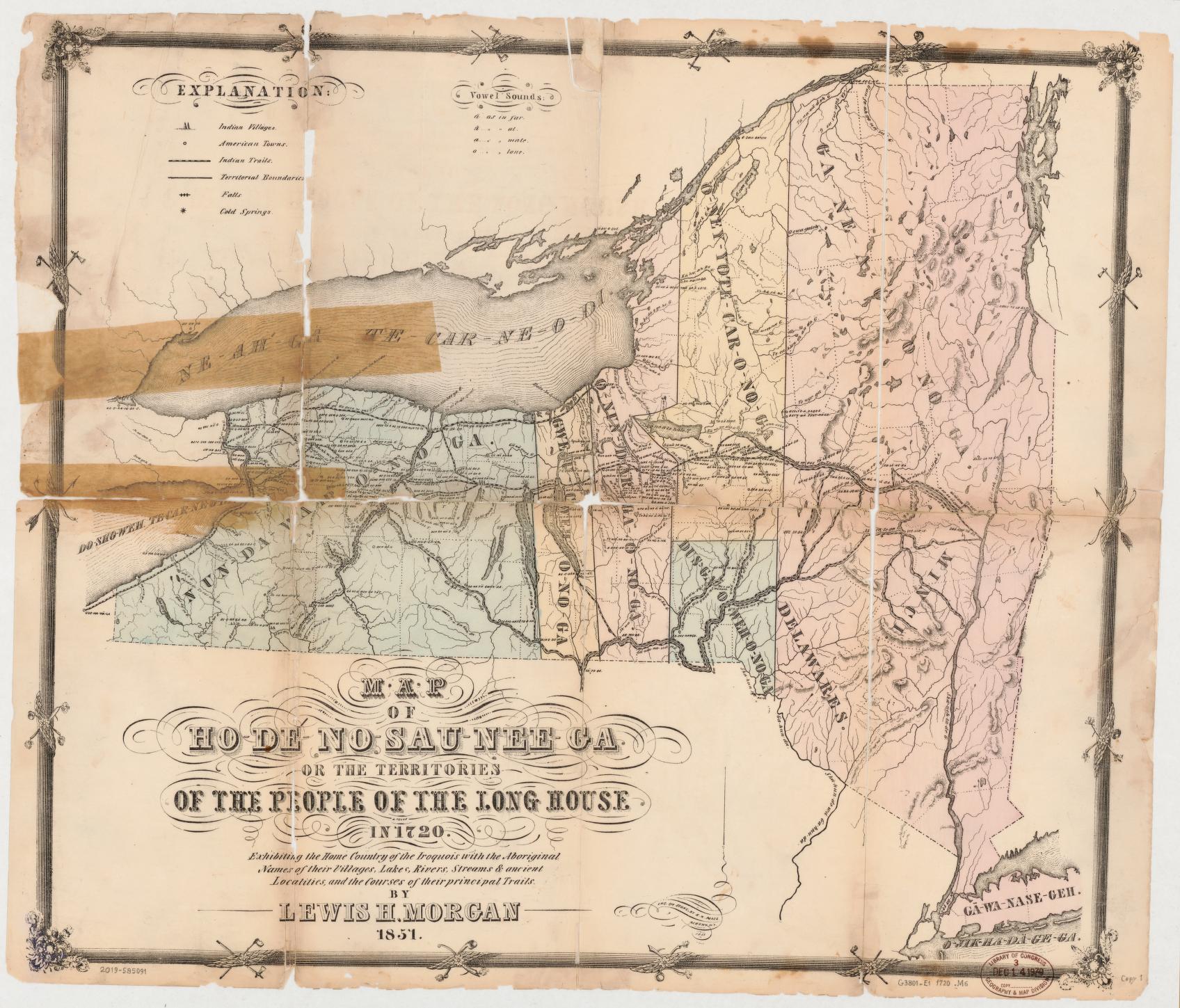
The region that is now New York State was home to numerous powerful Indigenous nations, particularly the Haudenosaunee Confederacy made up of the Mohawk, Oneida, Onandaga, Cayoga and Seneca nations.