
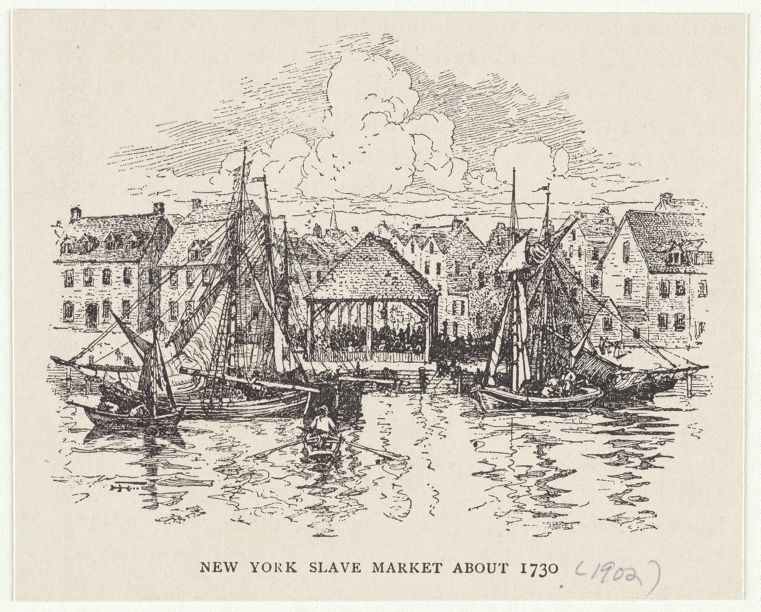
1712: the Slave Revolt Erupts
In 1712, a group of enslaved men and women in New York City formed a plan to revolt against their oppressors and the increasingly restrictive laws they were subject to. They ultimately failed, and were harshly punished in the aftermath of the violence.
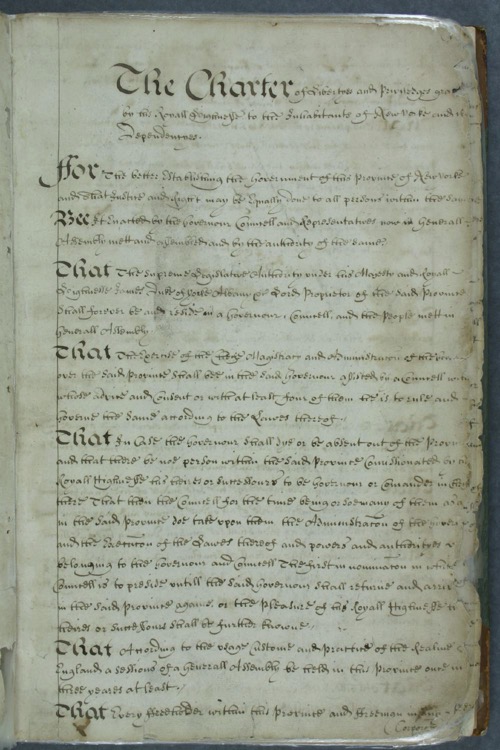
1683: Charter of Liberties and Privileges
The Charter of Liberties and Privileges represents an early articulation of self-representation and governance by New Yorkers, setting the scene for later challenges to the British crown's authority over its colonies.
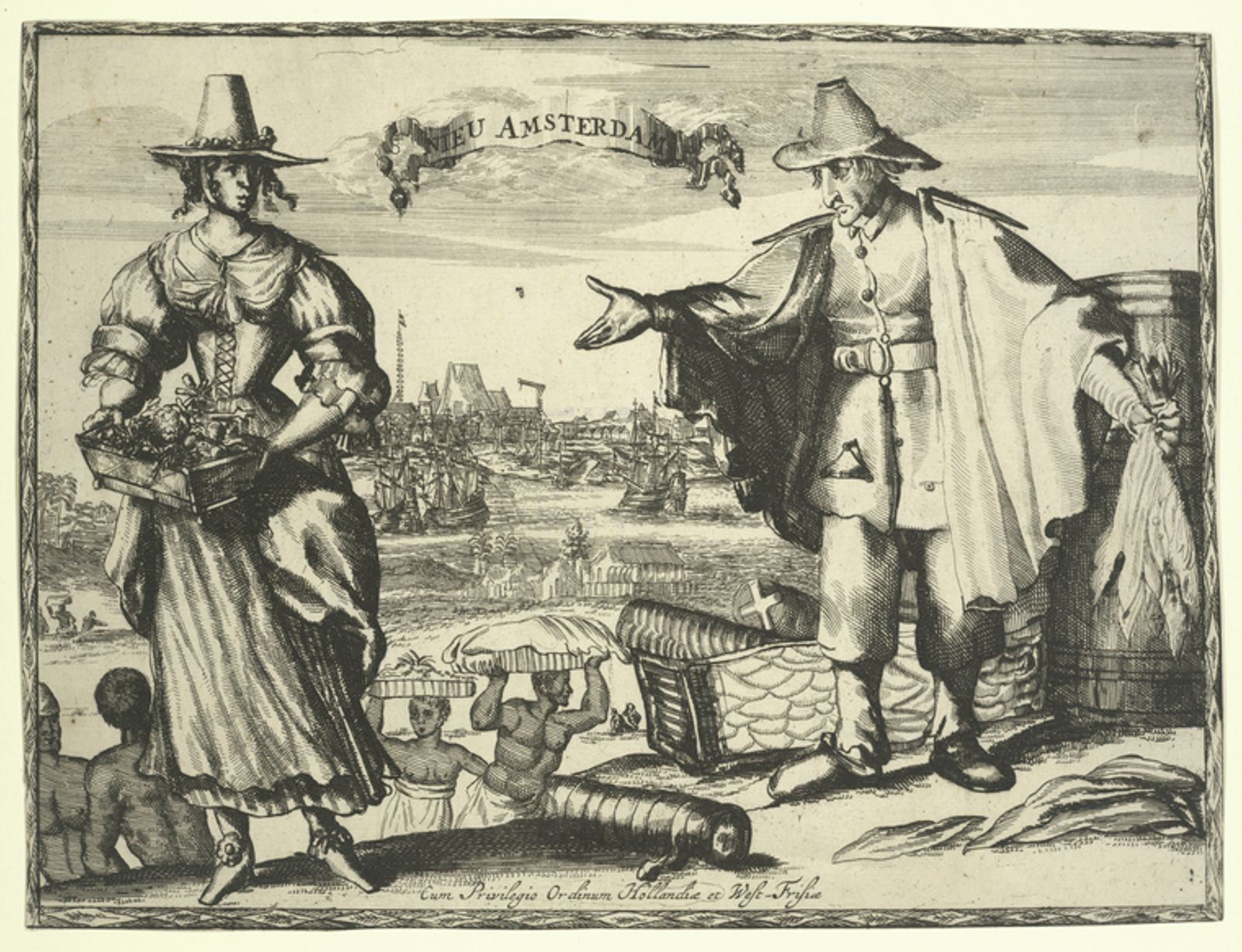
1627: Enslaved Africans brought to New Amsterdam
A group of eleven enslaved African men were brought to the city of New Amsterdam on August 29, 1627. The first of many such groups, their forced labor helped to build the city's early infrastructure, including clearing farmland and erecting buildings for the Dutch colonists.
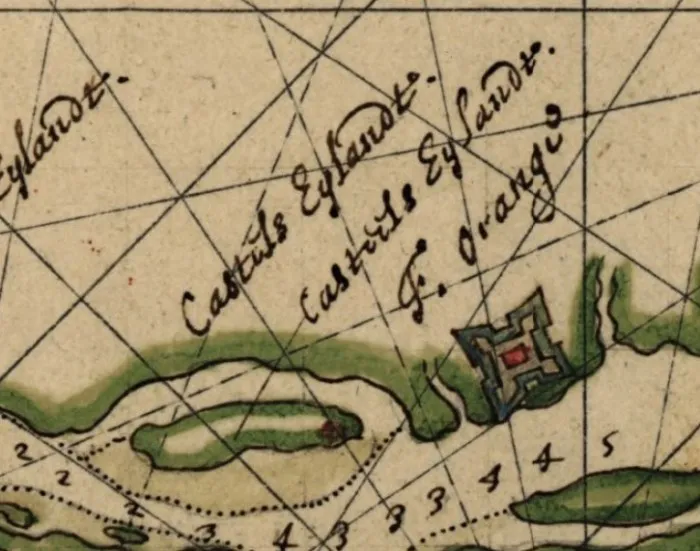
1614: Construction of Fort Nassau
Fort Nassau, the first permanent Dutch settlement in the New Netherlands, was constructed at the crossroads of existing hunting and trapping routes, allowing the Dutch access to indigenous fur trading networks.
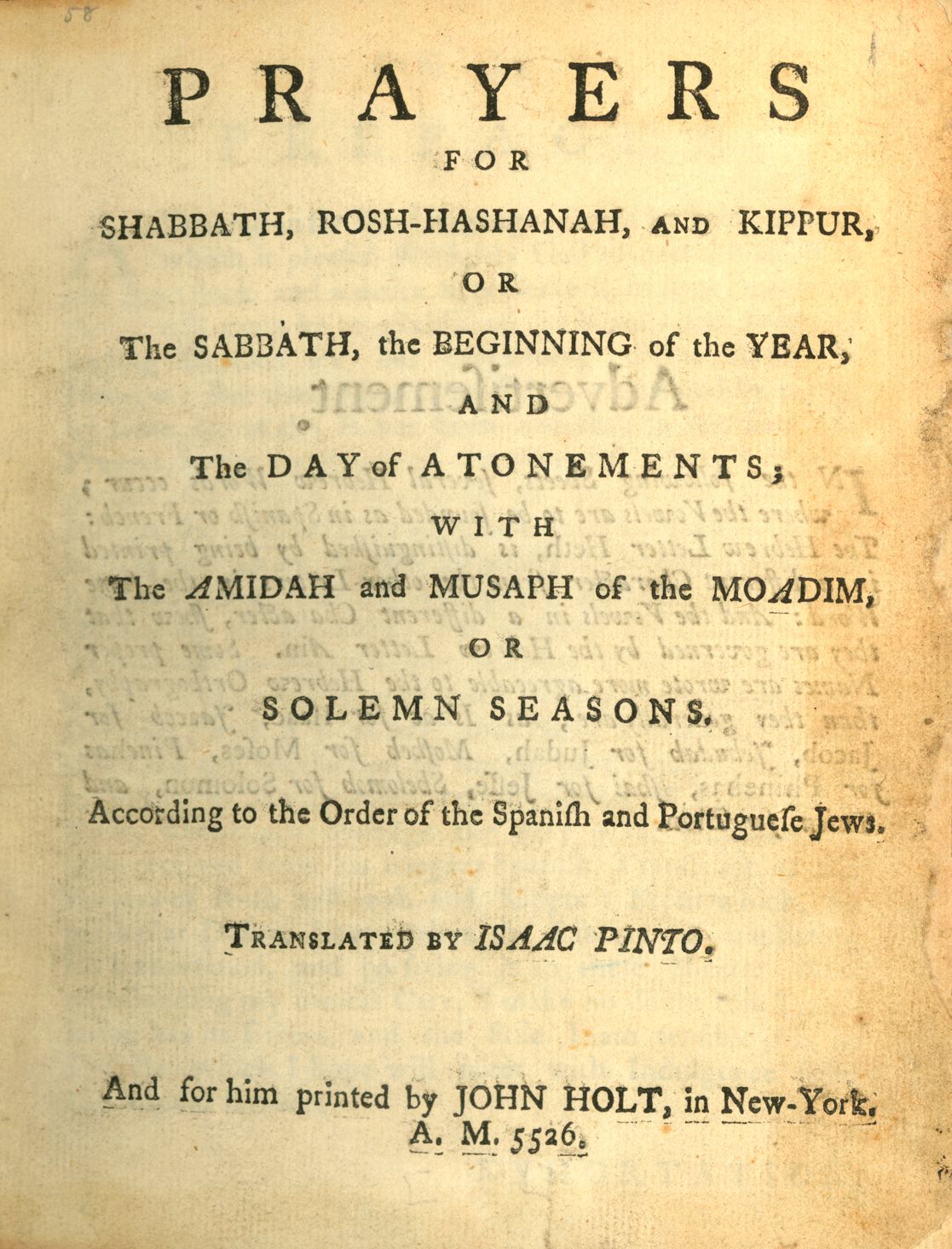
1654: Jewish Settlers Arrive in New Amsterdam
The first Jewish community of New Amsterdam was comprised of 23 refugee families, who came to the colony seeking safety from the Portuguese Inquisition. Though faced with discrimination from Stuyvesant and his government, they are a symbol of the colony's early prioritization of religious toleration and freedoms.
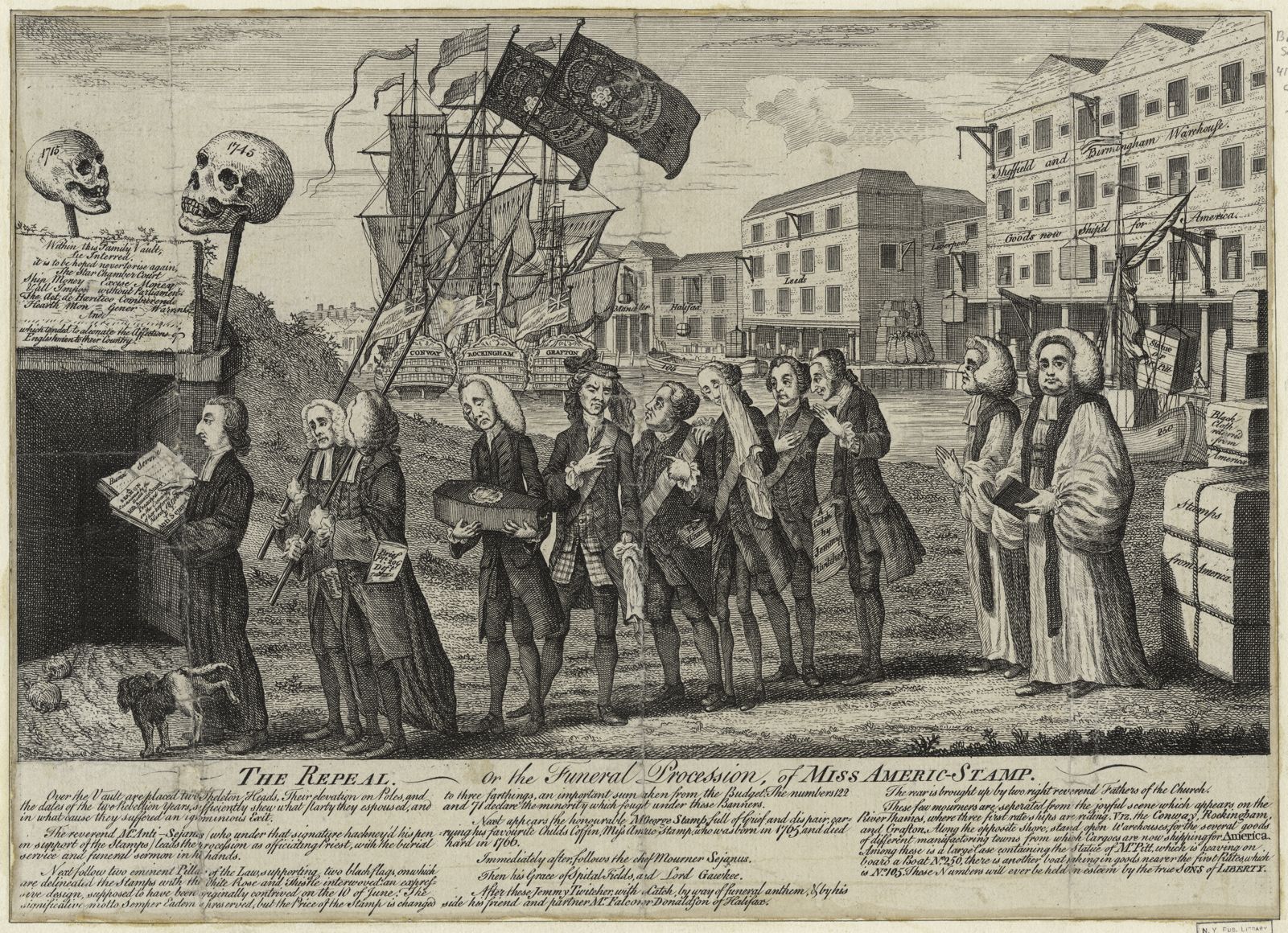
1765: The Stamp Act and Riots
The Stamp Act of 1765 prompted a wave of colonial opposition, with public protests culminating in a coordinated response from representatives across the 13 colonies and setting the stage for revolutionary action.
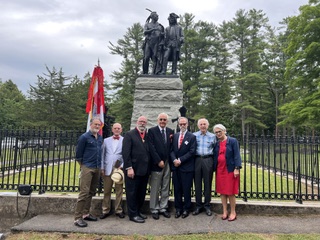
1755: The Battle of Lake George
The Battle of Lake George represented an important victory of the British and Haudenosaunee alliance, and provides the foundation for our Society's Broken Arrow Ceremony.
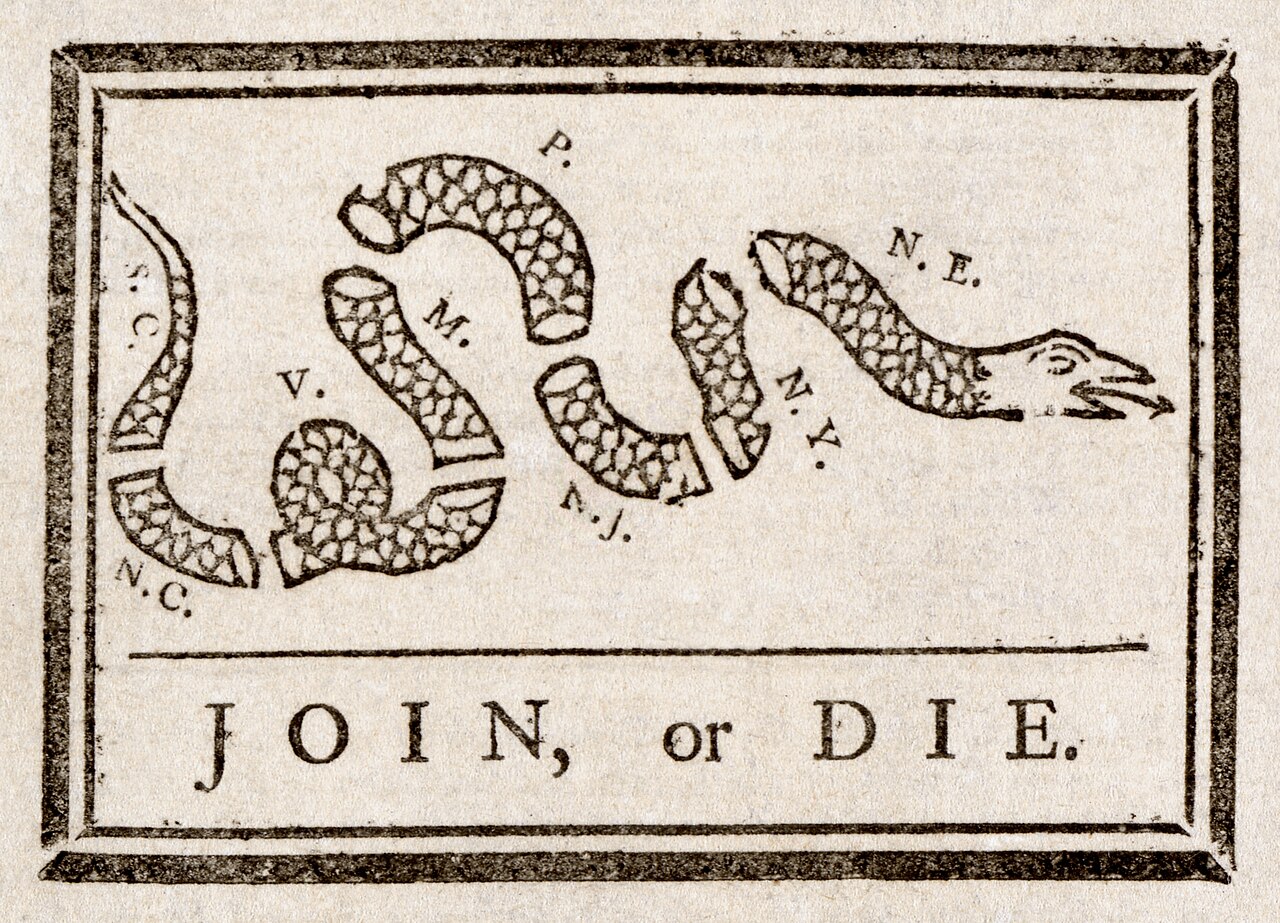
1754: The Albany Congress
In 1754, cross-colony representatives gathered in Albany for a diplomatic congress with the Haudenosaunee Confederacy in an early show of colonial unity and recognition of the influence indigenous nations retained in the colonial space.