
Timeline of New York State History
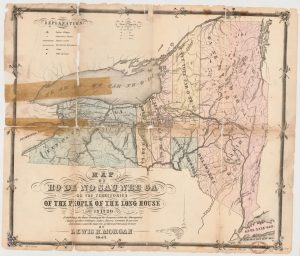
Indigenous Peoples of North America
The region that is now New York State was home to numerous powerful indigenous nations, particularly the Haudenosaunee Confederacy made up of the Mohawk, Oneida. Onandaga, Cayoga and Seneca nations.
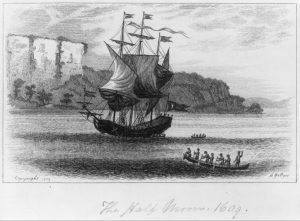
Henry Hudson arrives in North America
In 1609, English navigator Henry Hudson, sailing on behalf of the Dutch East India Company, explored the river that now bears his name.
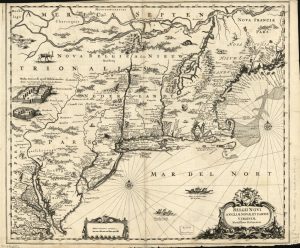
Colony of New Netherlands is Established
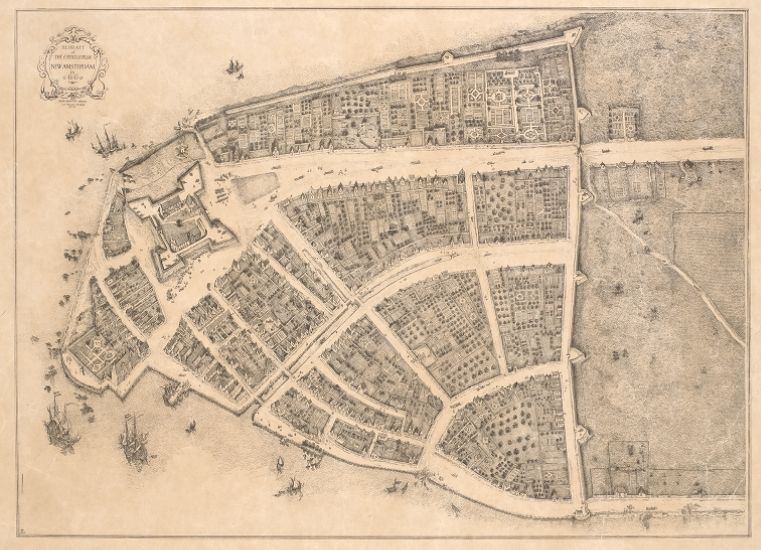
In 1624, the Dutch West India Company establish the colony of New Netherland, with the capital of New Amsterdam occupying the southern tip of Manhattan Island.
Peter Minuit Purchases Manhattan
In 1626, Peter Minuit purchases the island of Manhattan, a symbol of the colony's commercial outlook and its reliance upon negotiation, exchange, and diplomacy.
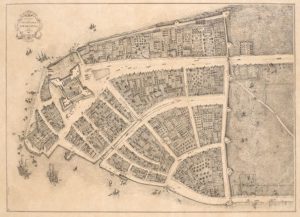
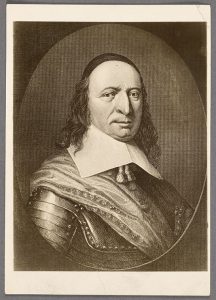
Peter Stuyvesant becomes Director-General
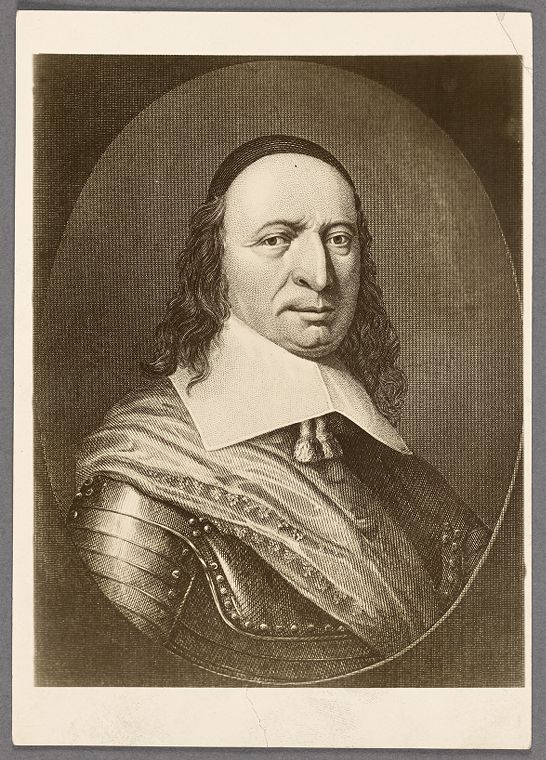
Peter Stuyvesant was appointed Director-General of New Netherland in 1647, inheriting a colony facing administrative, military, and financial challenges. While he strengthened defenses, expanded trade, and oversaw important public works, he ultimately would be the last Dutch administrator of the colony.
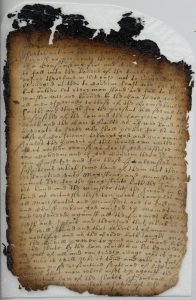
The Flushing Remonstrance
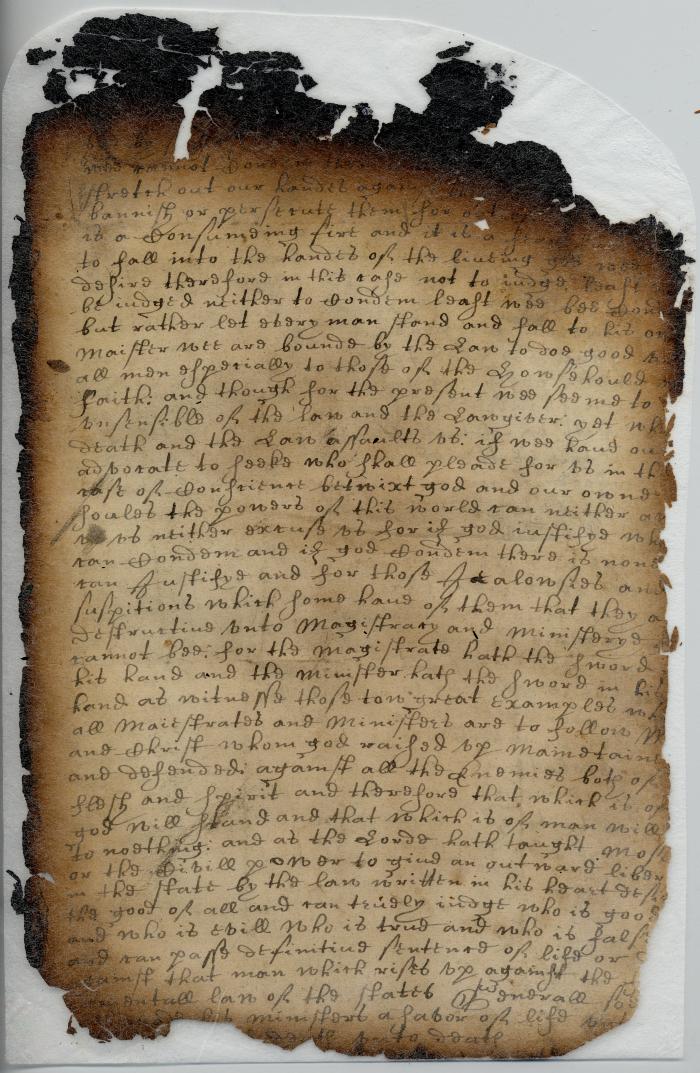
In 1657, residents of the town of Flushing presented a petition proclaiming their freedom to practice Quakerism, in one of the most significant early expressions of religious liberty in America. The petitioners argued that liberty of conscience should be extended to all regardless of religious affiliation.
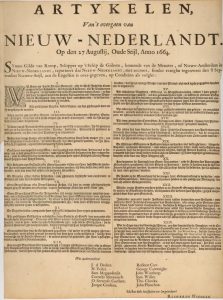
New Amsterdam becomes New York
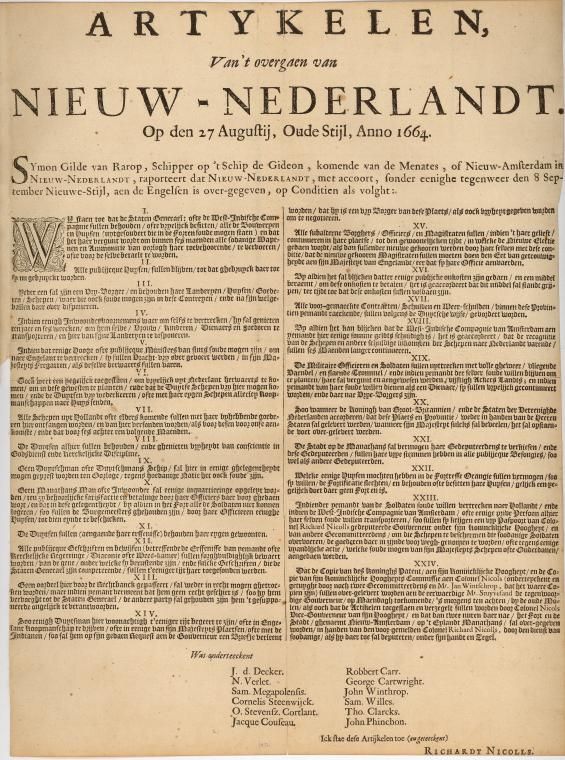
In 1664, an English fleet under the control of Admiral Richard Nicolls entered the harbor and demanded the surrender of New Amsterdam. The transfer of the colony to English control was bloodless, with a negotiated contract which guaranteed the continued protection of property rights, inheritance, and freedom of worship, and maintained much of the colony's Dutch sensibility.